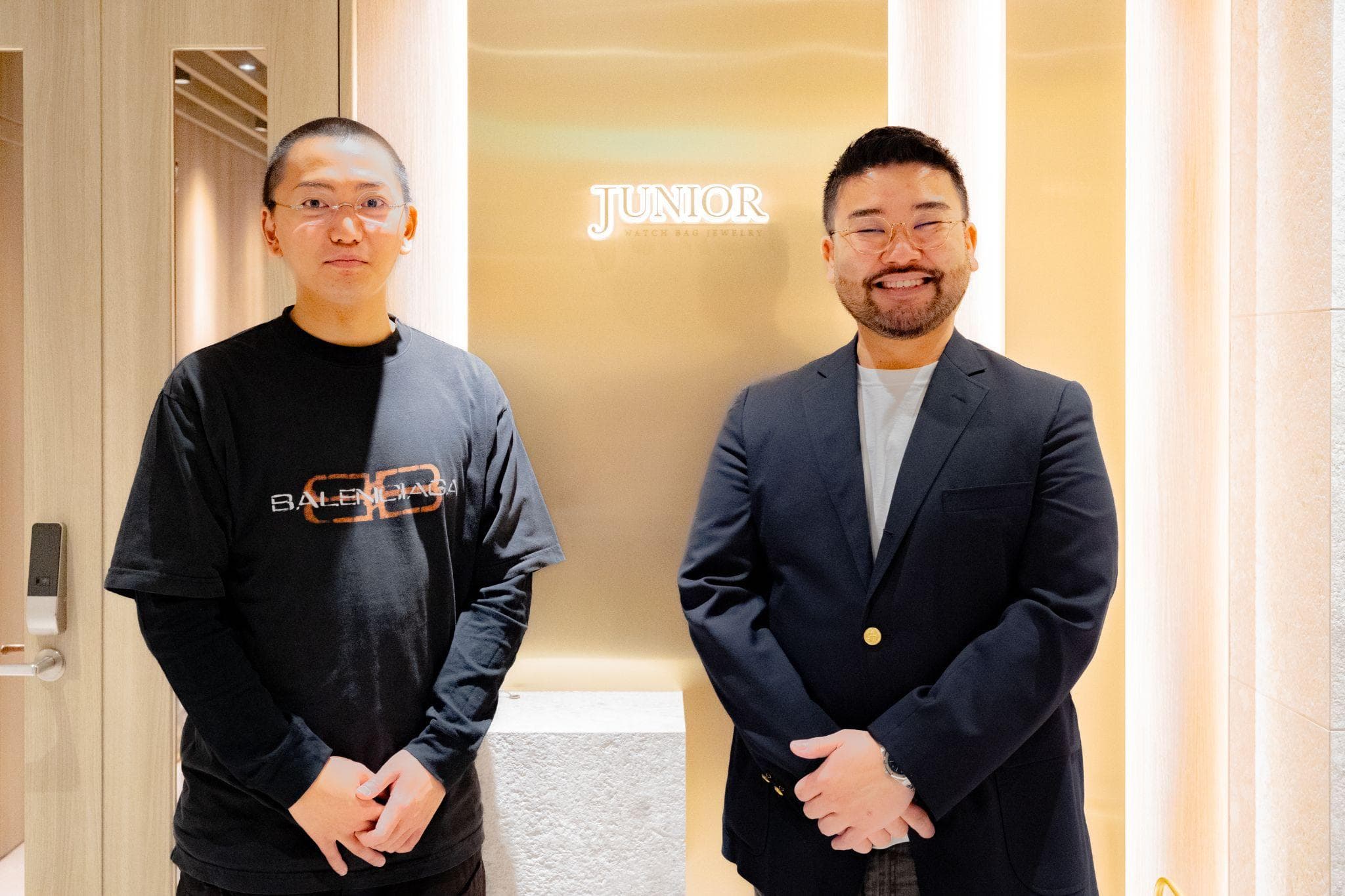




Surpass Co., Ltd. runs Salesforce implementation and adoption support alongside a reskilling business for women in regional Japan. How did an organization with many less-experienced members overcome its technical hurdles with Blaze? We spoke with Nagasawa of the DX Division and Abe, who heads the support center the company established in Yuzawa City, Akita Prefecture.
Highlights
- —Value as a learning tool that supports young members and regional reskilling graduates
- —Solving the classic partner pain point of deploying from Sandbox to production
- —A development experience that autonomously fixes errors and runs through to completion
About Surpass Co., Ltd.
Tell us about your business.
Nagasawa: Our company is Surpass Co., Ltd., currently a group company of Tanabe Consulting, a listed company. We originally started with a sales outsourcing business run by women, and about five years ago we launched the DX Division, where I belong, out of a desire to create new career paths for working women.
The DX Division runs two businesses: Salesforce implementation and adoption support, and reskilling. Of the nearly 30 employees in the division, 70% are women, and the core members serving as project managers are in their twenties, three to four years out of university — a young organization with many women.
In the reskilling business, alongside an implementation and adoption support team like a typical Salesforce partner, we have a reskilling team called the Career Design Center. Under the name "Tech Woman," we provide Salesforce education and employment support services in partnership with local governments. We offer career-up and career-change opportunities to women in regional areas with no IT experience, timed around life events specific to women such as returning from maternity or childcare leave.
In February this year, we opened "DIGITAL PATH YUZAWA," a Salesforce support center in Yuzawa City, Akita Prefecture. The center hired five graduates of the previous year's reskilling program as full-time employees — all women from Yuzawa with no prior IT experience.
The technical wall facing less-experienced members
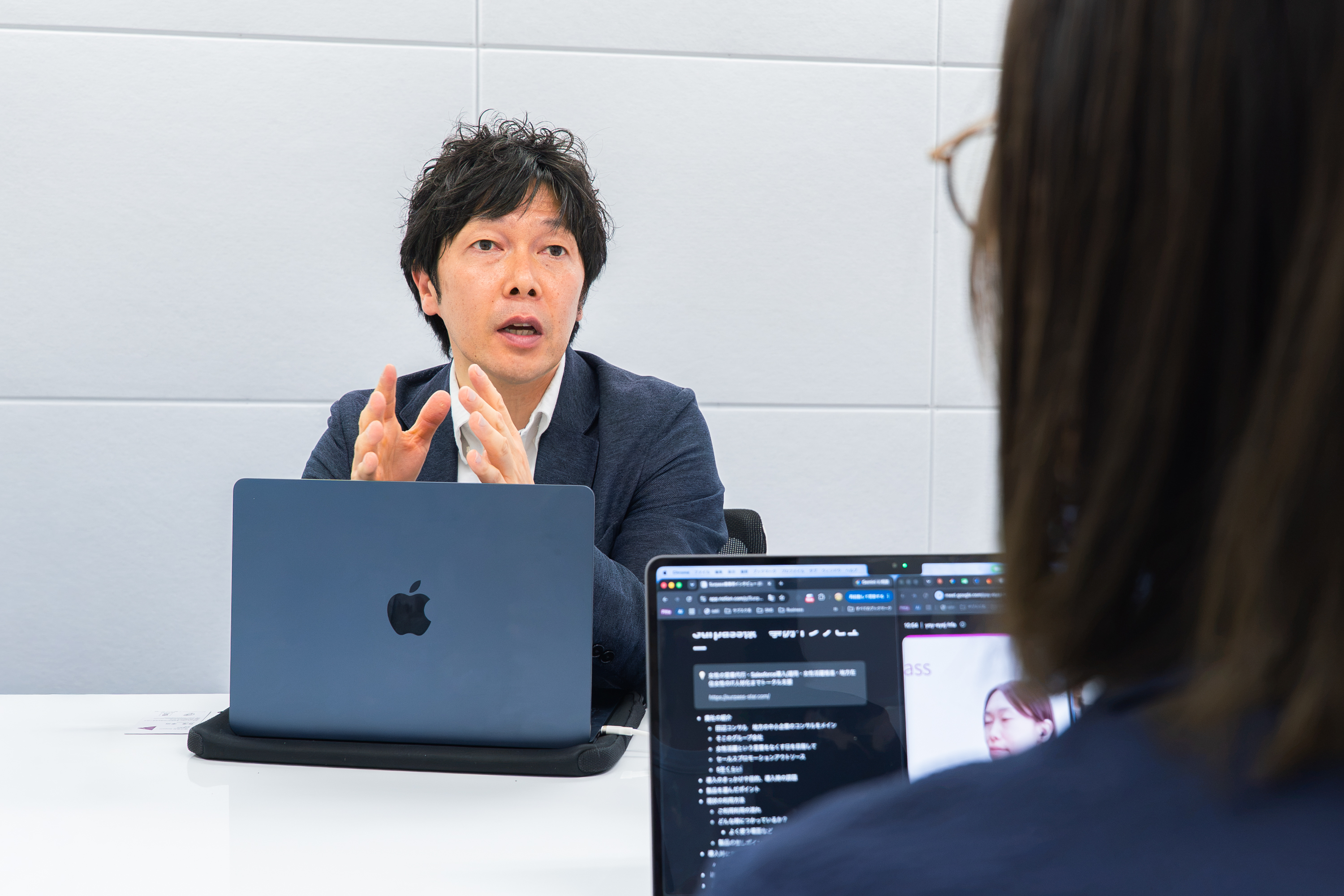
What led you to adopt Blaze?
Nagasawa: An advisor to our reskilling business introduced us, saying, "There's this service you should see." That was how we first learned about Blaze.
The background to considering Blaze was that, compared with other Salesforce partners, we have a lot of young members, and we wanted to strengthen our technical support capabilities. We were good at listening carefully to customers and making proposals that addressed their concerns, but with limited technical knowledge and experience, implementation tended to take a lot of effort. The Yuzawa members in particular had only studied Salesforce for six months to a year, and we were thinking about how to support them through that uncertainty.
The deciding factor: it works against the client's actual environment
What sealed the decision to adopt?
Nagasawa: What first amazed me was when we created a diagnostic report on how a customer was utilizing their own Salesforce environment.
The customer had been on Salesforce for two to three years, and they asked us to assess how well they were using it — how many accounts and opportunities were in use, who was creating how many opportunities, how well opportunities were linked to activities, and so on.
Normally you would have to check things like opportunity-activity linkage one record at a time in reports, but simply by entering the customer's request as text, Blaze produced a utilization diagnostic report in canvas format. It connected smoothly to the specified Salesforce environment and properly read the data inside — that was the moment I felt it was different from the general-purpose AI like Gemini we had used before.
Another striking moment was when we fed it a complex budget-versus-actuals Excel file a customer had handed us. It was complicated — three Excel sheets with around 100 fields — but Blaze understood the requirements by cross-referencing the existing environment's fields with the Excel contents, and completed the necessary Apex in about a day. By our conventional estimates the work would have taken two to three months, so I was genuinely astonished.
And above all, being "autonomous" is what makes it great. Tell it what you want in natural language and it decides the design approach for Flows and Apex on its own, runs it, and if an error comes up it identifies the cause, fixes it, and carries on until everything is in working order. With other tools a human has to go back and forth on every error, but Blaze doesn't need that — it runs through to completion in under 30 minutes. At first I was skeptical it would really work, but after a few tries I came to trust it.
From org research to deployments to data work — Blaze absorbs every task in the field

How are you actually using it?
Abe: Right now I use it in the Sandbox environment of a customer we're building for — having it assess the impact of the three major annual releases and help think through how to respond. It's not production work yet, but I use it for practical training: combining and connecting existing Flows, or handing it an object definition document to see how far it can build. For things like text fields and picklists, it feels like you toss a request over and it tosses the result right back — far faster than building it myself.
Nagasawa: For less-experienced members, it also has great value as a learning tool for understanding how things should be built. I myself was suddenly handed maintenance work in the Data 360 (formerly Data Cloud) domain, which I had no experience with, and Blaze taught me from the basics of data streams and data models — I was able to handle the actual work.
How do you use it yourself, Nagasawa-san?
Nagasawa: There are three main situations where I use it most. The first is researching a customer's Salesforce environment, which was also a deciding factor in adoption. When we take on an adoption or maintenance engagement, we need to investigate what Flows and Apex are running in an environment that's already built out. That used to be detailed, time-consuming work, but Blaze grasps it in one shot.
The second is deploying from Sandbox to production. Deployment with change sets looks simple in the manual, but in practice you have to identify every asset created in the Sandbox yourself and add them one by one. To deploy a Flow, you also have to bring along the fields tied to it, down to manually checking, "Wait, did we already create this field in production?"
In our case, we often take over customer environments where another company did the initial build, so to add new features without breaking the current environment, we have to build in Sandbox first and then carefully promote to production. Even so, uploading the change set would surface unexpected errors, the diff never quite settling, and redoing it seven or eight times was a daily occurrence. There was no shortage of moments where we held our heads: "The implementation is already done — why won't this go through?"
Tell Blaze, "I want to deploy what was built in this Sandbox to production," and it identifies every difference between the Sandbox and production environments and proceeds while confirming: "Here are all the diffs — which ones should I deploy?" Work that would absolutely never pass on the first try by hand has become astonishingly easy.
The third is data processing and correction. The traditional procedure was to export data, fix it in Excel, and upload it again with Data Loader — and accidents like importing into the wrong field with a mismatched type were common. With Blaze, you can have it go look at the data directly and request the fix, and it takes a backup beforehand, so there's the reassurance that you can roll back if something goes wrong.
Requests that took two weeks now finish in two to three hours — freeing time for more essential customer work
What has changed since adoption?
Nagasawa: I feel our productivity as a Salesforce partner has risen dramatically. There are cases where customer requests that used to take one to two weeks can now be handled in about two to three hours. With the build effort compressed, we have more time to engage with customers on what really matters.
With Blaze, becoming a partner that proposes "here's an even better way to use it"

A word for other companies providing Salesforce implementation support?
Nagasawa: Honestly, there's a complicated feeling — if fellow partners adopt it, our rivals get stronger — but as a partner, you should absolutely bring it in. Adopting Blaze dramatically reduces the effort certain tasks require, and that lets you devote more energy to your customers' Salesforce adoption. If more partners can move beyond just doing what they're told and instead propose, "Here's an even better way to use it," that's a good thing for the whole industry.
Abe: I've only just entered the Salesforce industry myself, and there's still a lot I'm not confident about — but Blaze is there for someone like me. To those who are new to this industry, or thinking of entering it, I'd love for you to give it a try.
This article is based on interviews conducted as of July 2026.
More about our products